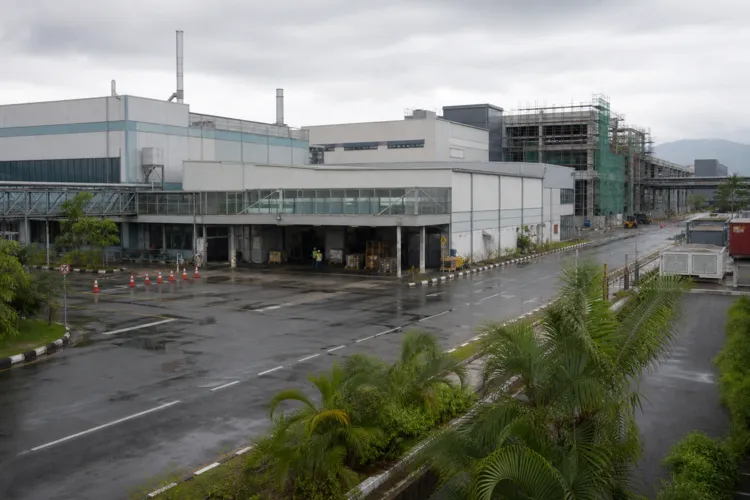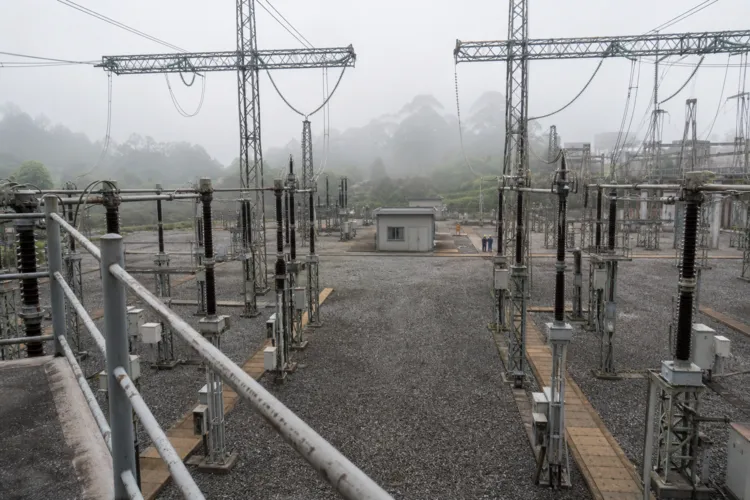
Factory relocation from China is becoming a defining driver of Vietnam’s industrial land absorption. Vietnam-briefing notes that Vietnam’s role in global supply chains has gained prominence amid “China Plus One” production relocation, supported by relatively low labour costs, export infrastructure, and a strategic position on major trade routes. Policy support also matters. Measures include national schemes, corporate income tax breaks for high-tech companies, and the development of specialised industrial zones. In the broader economy, Vietnam’s GDP grew 9.01% year-on-year in January–September 2026, and manufacturing and processing value added increased 11.36%, contributing 33.85% of economy-wide value-added growth.
Company-level decisions help explain why this Vietnam Factory Relocation Demand keeps building. CKGSB’s interview with Rhoden Rubber links relocation from Shanghai to Vietnam to rising costs in China, hiring constraints tied to an aging workforce, and the operational risks exposed by COVID when production is concentrated in one place. The same interview also highlights how China’s established supply chain ecosystem long made it “convenient” to stay, until cost and risk pressures changed the calculation. These push-and-pull factors align with Vietnam’s positioning as a practical “+1” option rather than a full replacement of China’s ecosystem.
Industrial Supply Is Tight, So Absorption Stays High
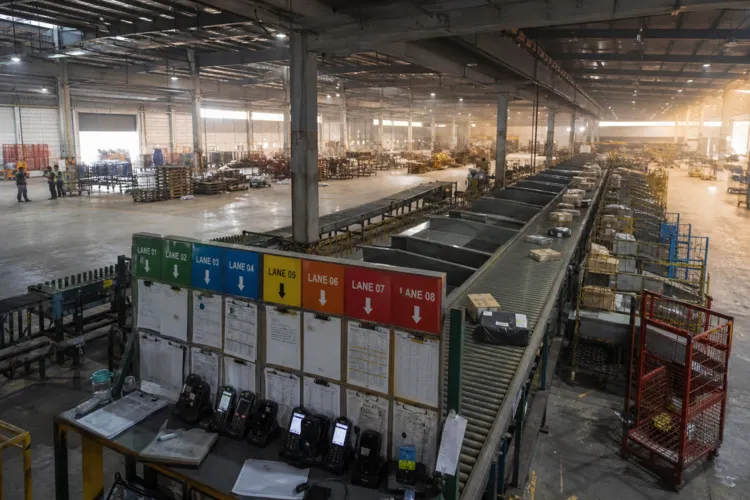
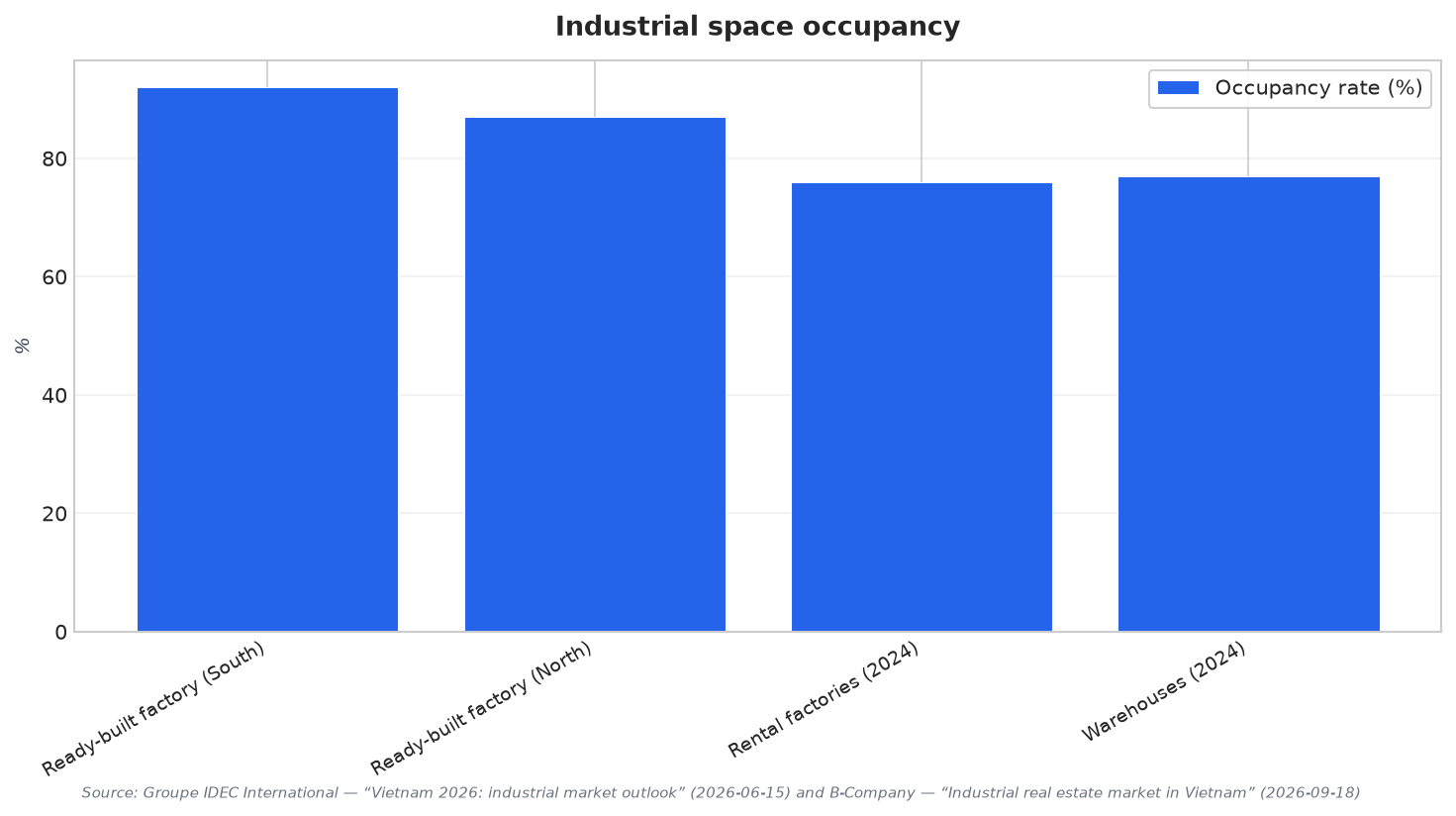
Market indicators show the impact of relocation-driven demand on absorption. Groupe IDEC International reports ready-built factory occupancy of about 88% (about 92% in the South and about 87% in the North), while industrial zone occupancy nationwide is estimated at 80–85%. B-Company adds that, in 2024, rental factory floor area reached 10.3 million m² with a 76% occupancy rate, while logistics and manufacturing warehouses totaled 7.7 million m² with a 77% occupancy rate. It also reports 2024 average industrial land prices of 133 USD/m² in the North and 189 USD/m² in the South, while some central provinces are cited at 60–90 USD/m².
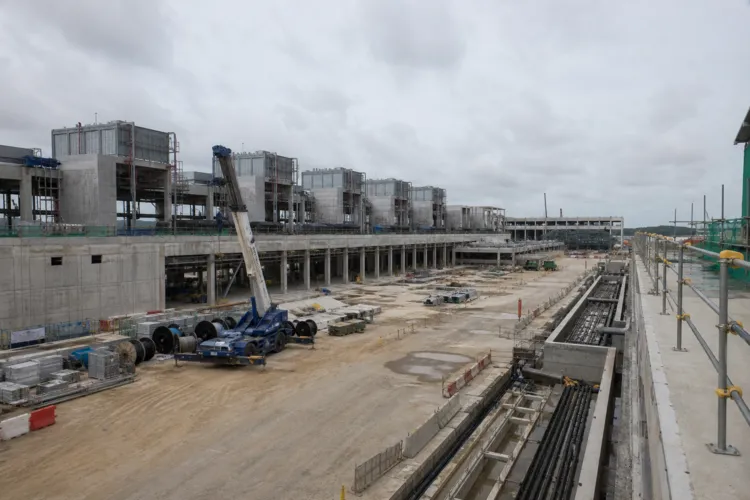
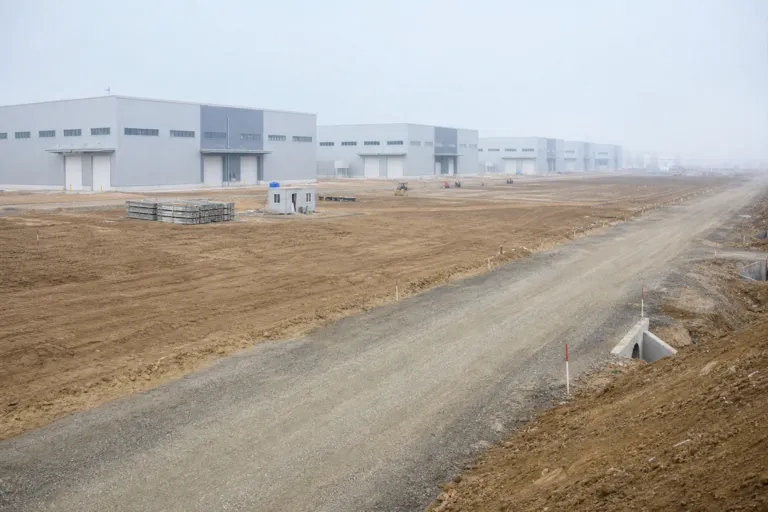
New space is coming, but the pipeline is not loosening conditions quickly. Viettonkin Consulting says over 600,000 sqm of new ready-built warehouse and factory supply is expected in 2026, and that supply is already substantially pre-committed. It also frames the demand story as broader than labour-cost arbitrage, pointing to electronics, semiconductors, electric vehicle components, and advanced assembly as industries relocating under “China+1.” The same source contrasts delivery timelines: ready-built facilities can enable 3–6 month setup timelines, while greenfield industrial land may take 18–24 months from lease signature to operational production, which can steer incoming tenants toward immediate occupancy options.
FDI and operating conditions help explain why absorption remains resilient. Groupe IDEC International lists 2025 total registered FDI at US$38.42B and disbursed FDI at US$27.62B, up 9% year-on-year, with manufacturing and processing at US$9.8B (56.5% of total). It also reports 4,054 new projects in 2025 with newly registered capital of US$17.32B. On the operations side, Vietnam-briefing reports Vietnam’s manufacturing PMI at 51.9 in September 2026, easing from 53.3 in August, yet still extending a run of strengthening business conditions. Together, these signals support ongoing leasing decisions as China-linked relocation continues to reshape Vietnam’s industrial footprint.
What is driving Vietnam’s factory-relocation demand tied to China+1 moves?
How tight is occupancy in Vietnam’s ready-built factory and industrial zone market?
What do the latest figures say about rental factory and warehouse occupancy?
How much new ready-built supply is expected in 2026, and is it already taken?
What do the sources report on FDI and manufacturing share relevant to industrial absorption?