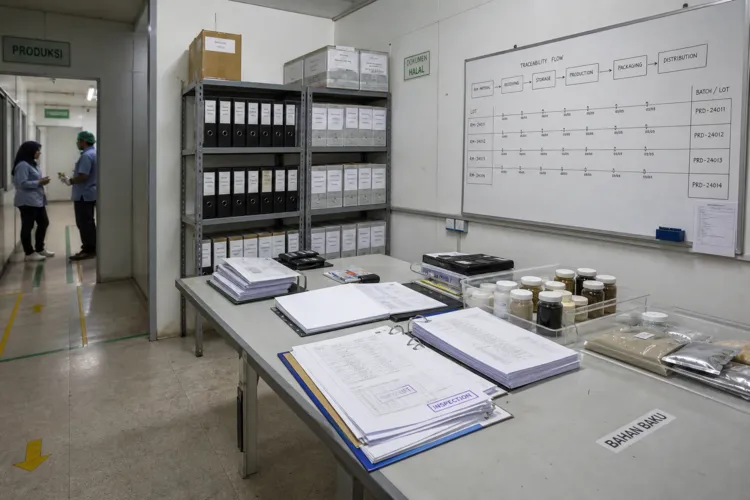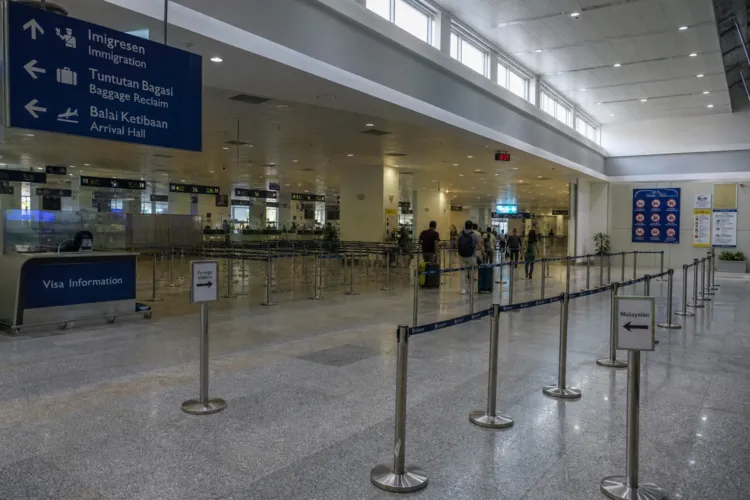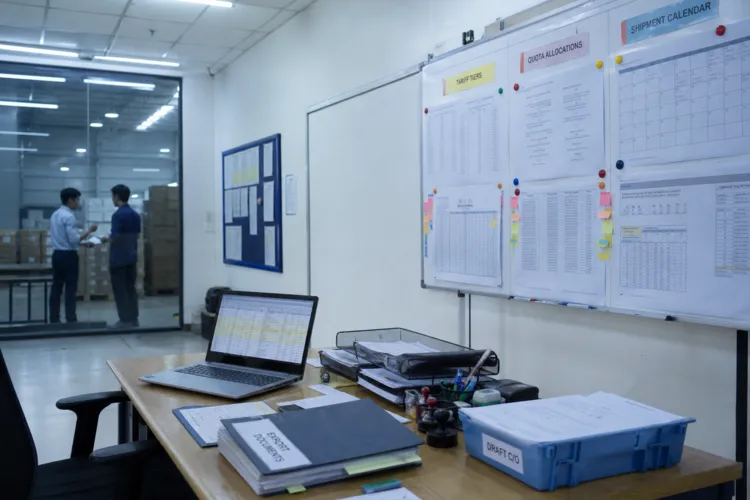
Malaysia is positioning itself as a global gateway for halal exports by scaling trade, strengthening certification credibility, and building an ecosystem that supports cross-border market access. Official-linked reporting places Malaysia’s halal exports at RM52.1 billion in 2021 and RM55.6 billion in 2022, anchoring a clear upward trend in export value. This push happens in a competitive production landscape, where over 60% of global halal food manufacturers are located in Muslim-majority countries. In practice, Malaysia’s differentiation leans heavily on trust, verification, and the ability to help buyers and regulators rely on consistent halal standards.
Certification is central to Malaysia’s gateway strategy, because the export conversation often starts with whether a certificate is accepted in destination markets. Malaysia’s JAKIM certification is recognized in more than 47 countries and is described as widely treated as the global benchmark for halal certification. Industry reporting also notes that the Department of Islamic Development Malaysia (JAKIM) has certified over 16,000 products as halal, reflecting sustained enforcement of halal standards. When combined with a broader ecosystem led by the Halal Development Corporation and supported by trade events such as the Malaysia International Halal Showcase (MIHAS), certification becomes a trade enabler, not only a compliance requirement.
Why Infrastructure, Jobs, and Digital Readiness Matter
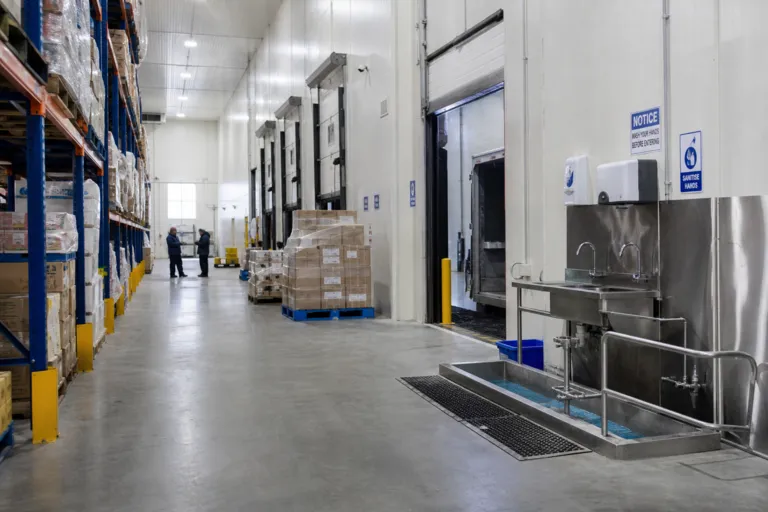
To function as a true export gateway, Malaysia also needs the operational capacity to move halal goods reliably at scale. National halal materials report over 500,000 workers employed across Malaysia’s halal value chain, highlighting depth across production, processing, and supporting services. On logistics readiness, halal supply chain cold-chain logistics spending in Malaysia was estimated at about US$1.8 billion in 2022, a relevant signal for export categories that require temperature control. These foundations are complemented by broader investment conditions, with Malaysia’s foreign direct investment (FDI) inflows reported at US$15.7 billion in 2023, providing macro support for industrial expansion that can include halal-linked manufacturing.
Malaysia’s pathway to becoming a Malaysia Halal Export Hub also reflects the global pull of halal demand, especially in food and high-trust consumer categories. Global market context shows halal food and beverage reaching about US$1.1 trillion in 2023, alongside a global halal cosmetics market of US$10.0–11.0 billion in 2023 and global halal pharmaceuticals estimated at US$58.5 billion in 2023. Category-specific signals inside Malaysia add further momentum: the Malaysia halal meat market was valued at USD 18,899.05 million in 2024 and is projected to reach USD 23,230.68 million by 2027, growing at a CAGR of 6.8% during 2025–2027. In 2024, Malaysia accounted for 7.62% of the global halal meat market size, linking domestic capability to international scale.
Digital adoption supports export-oriented brand building and market access, especially as halal buyers increasingly expect traceability and fast communication. Malaysia’s smartphone adoption reached 92% in 2023, while the social media user base reached about 26.7 million in 2024, expanding the reachable audience for product education and compliance messaging. Payments and commerce readiness also matter for modern trade, with Malaysia’s e-payment transactions surpassing 2.0 billion transactions in 2023 for certain retail payment categories. Together, these signals show how Malaysia can pair recognized certification with scalable operations, market-facing digital channels, and trade ecosystem support to strengthen its role as a gateway for halal exports.
What evidence shows Malaysia is growing as a halal export gateway?
How widely is Malaysia’s JAKIM halal certification recognized?
What logistics factors support halal exports from Malaysia?
How does Malaysia’s halal meat market connect to global positioning?
What makes Malaysia’s halal export hub approach credible beyond certification?