

ASEAN consumer trends are reshaping how brands compete across Southeast Asia. Localisation, omnichannel shopping, health and wellness, value-conscious spending, experiences, and sustainability are influencing purchasing decisions. Yet the most important lesson is that there is no single ASEAN consumer.
According to The New ASEAN Consumer, a 2023 whitepaper by Eurogroup Consulting produced for the French Foreign Trade Advisors (CCE) APAC Forum, successful brands need to adapt to the region's diverse consumer profiles, income levels, and shopping preferences.
Drawing on expert interviews and regional research, the study identifies six trends that offer valuable lessons for companies entering or expanding across Southeast Asia.
What Is Driving the ASEAN Consumer Market?
Southeast Asia's consumer opportunity is supported by rising incomes, urbanisation, digital adoption, and an expanding middle class.
Eurogroup Consulting's study highlights several developments that help explain the region's long-term potential:
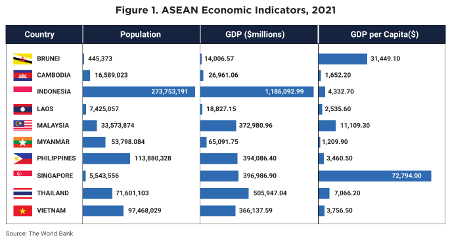
- A substantial consumer base: ASEAN had approximately 670 million people when the study was published in 2023, with significant differences in purchasing power between countries.
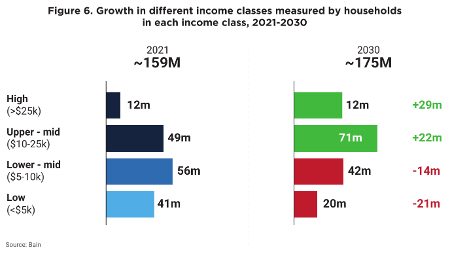
- An expanding consumer class: The World Economic Forum (WEF) projected that ASEAN would add 140 million consumers by 2030, representing a significant share of global consumer growth.
- Rising household incomes: WEF research projected that high- and upper-middle-income households would increase from 30 million in 2019 to 57 million by 2030.
These projections, cited in the 2023 whitepaper, illustrate the scale of anticipated consumption growth rather than confirmed 2026 outcomes.
For businesses, the opportunity extends beyond major cities. Rising incomes and urban development can create demand for consumer goods, healthcare, digital services, and leisure across different market segments.
The The New ASEAN Consumer whitepaper examines the economic and demographic factors behind these developments.
One Region, Very Different Buying Decisions
ASEAN shares important economic and demographic trends, but consumer behaviour varies considerably across countries, cities, and income groups.
Shopping preferences in Singapore may differ from those in Indonesia, Vietnam, or Thailand. Even within one country, urban professionals, younger consumers, and rural households can have different priorities.
Some consumers favour international brands for their perceived prestige. Others prioritise local products, affordability, convenience, or familiarity.
These differences make regional marketing strategies difficult to standardise.
As Michel Beaugier, Managing Director at M2 Management and Head of CCE APAC, observed in the whitepaper:
"The Asian consumer has gone from a kart to a Ferrari in just 20 years, compared to 60 years in Europe."
The comparison reflects the speed of change in consumer expectations and market development.
For brands, the implication is straightforward: regional scale matters, but local consumer understanding determines how effectively a product reaches its audience.
Which Six ASEAN Consumer Trends Matter Most?
Eurogroup Consulting identifies six interconnected shifts influencing the future of consumption in Southeast Asia.
- Think Local, Be Local: Consumers increasingly value products that reflect local preferences and identities. Localise products, branding, and partnerships.
- From Bricks to Clicks: Digital platforms influence shopping, but physical stores remain important. Integrate online and offline channels.
- Health Is Wealth: Interest in wellness, healthy food, and personal well-being is growing. Offer relevant and accessible healthier options.
- Unlocking Value: Consumers seek quality and convenience while remaining price-conscious. Demonstrate clear value beyond price alone.
- The Experience Economy: Tourism, entertainment, and leisure influence discretionary spending. Create experiences tailored to local preferences.
- The Green Revolution: Environmental considerations are becoming more relevant to purchasing decisions. Develop practical and affordable sustainability initiatives.
These trends are closely connected rather than independent.
For example, consumers may discover a product through social media, compare prices online, and purchase it in a physical store. Their decision may also depend on local brand familiarity, convenience, and perceived value.
Price sensitivity remains important even among affluent consumers. The 2023 study reports that price was a leading consideration for 62% of high-income consumers.
This creates a challenge for premium and sustainable products: higher prices must be supported by benefits that customers recognise.
Agoda: Localising the Digital Experience
Agoda offers a practical example of how several trends can work together.
The Singapore-based travel platform adapted its marketing to Southeast Asian consumers through personalised recommendations, local tourism campaigns, and digital engagement.
During the pandemic, Agoda's GoLocal campaign promoted domestic tourism, while its Eco-Deals initiative introduced incentives for more sustainable accommodation choices.
As documented in the whitepaper's business case on pages 112–114, Agoda demonstrates how digital convenience, local relevance, and consumer experiences can be incorporated into a broader commercial strategy.
Its approach offers lessons beyond tourism, particularly for brands operating across multiple ASEAN markets.
A Practical Playbook for Brands Entering ASEAN
The study concludes with three strategic recommendations for businesses seeking sustainable consumer growth.
- Build an omnichannel strategy: Combine digital discovery, e-commerce, physical retail, and after-sales engagement into a consistent customer experience.
- Make localisation central to growth: Adapt products, messaging, distribution, and partnerships to individual markets rather than treating ASEAN as one homogeneous consumer base.
- Invest in sustainability with affordability in mind: Develop responsible products and supply chains while addressing consumers' expectations around pricing and value.
These priorities are particularly relevant for international brands competing with established local businesses.
However, implementation should begin with consumer research rather than assumptions about regional preferences.
Companies need to understand purchasing motivations, brand perceptions, pricing expectations, and preferred shopping channels within each target market.
ASEAN Market Research's Consumer Behavior Analysis services support these decisions through consumer segmentation, customer-journey analysis, and market-specific insights.
For organisations considering a regional expansion strategy, the ASEAN Market Research team can also help assess consumer opportunities and market-entry priorities.
Frequently Asked Questions
What are the main ASEAN consumer trends?
Eurogroup Consulting's The New ASEAN Consumer identifies six major trends: localisation, omnichannel retail, health and wellness, value-conscious purchasing, the experience economy, and sustainability. These trends influence consumer decisions across Southeast Asia, although their importance varies by country, income group, age, and product category.
How many new consumers could ASEAN add by 2030?
The World Economic Forum projected that ASEAN could add approximately 140 million consumers by 2030, according to research cited in Eurogroup Consulting's 2023 whitepaper. This projection reflects the region's anticipated income growth and expanding consumer class. It should be interpreted as a forecast made before 2023, not a confirmed outcome.
Is ASEAN a single consumer market?
No. ASEAN consists of countries with different cultures, income levels, demographics, and consumption patterns. Consumer priorities can also differ between cities and rural communities within the same country. Brands generally need market-specific research, product positioning, pricing, and distribution strategies rather than applying one uniform regional approach.
Are ASEAN consumers price-sensitive?
Price sensitivity remains an important feature of Southeast Asian consumer behaviour, including among affluent shoppers. However, consumers also consider quality, durability, convenience, and brand value. The willingness to pay more often depends on the product category and whether customers perceive meaningful benefits from a higher-priced option.
How can international brands succeed in ASEAN?
International brands can improve their competitiveness by understanding local consumers, adapting products and marketing, developing reliable distribution partnerships, and connecting online and offline shopping experiences. Eurogroup Consulting's whitepaper also recommends investing in sustainability while ensuring products remain accessible and commercially competitive.
Understand the ASEAN Consumer Beyond the Headlines
Southeast Asia offers significant consumer opportunities, but success requires understanding how purchasing behaviour differs across markets and customer segments.
For brand managers, marketers, and business leaders, The New ASEAN Consumer provides deeper analysis of the six consumer trends, detailed consumer profiles, expert interviews, business cases, and practical recommendations for regional growth.